Syria: When Survival Becomes a Common Language
In Syria, the war no longer has a clear shape. It is not always loud. Sometimes it is quiet, folded into daily life, hidden in tired faces and half-rebuilt streets. The fighting may slow, borders may shift, leaders may speak of stability but the damage lives on, breathing through every ordinary moment.
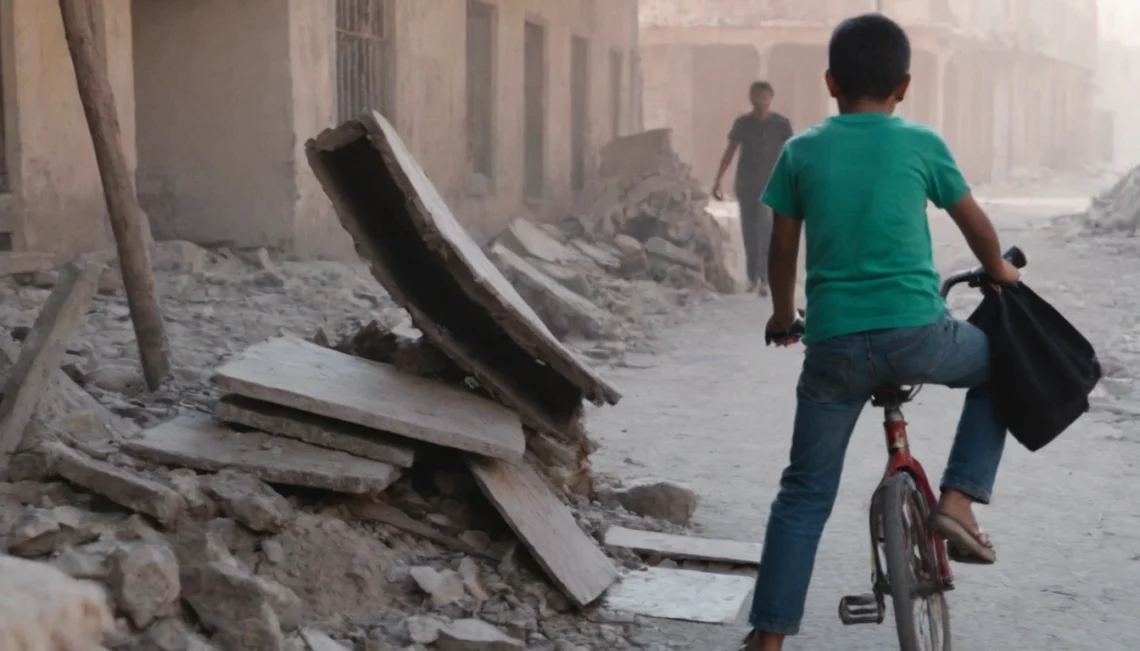
In cities like Aleppo, Homs, and Damascus, life moves forward unevenly. A café reopens next to a collapsed building. Children play football on streets still marked by shelling. People marry, work, argue, and laugh all under the weight of memories they did not choose.
For Syrians, the war is not a chapter that ended. It is a condition.
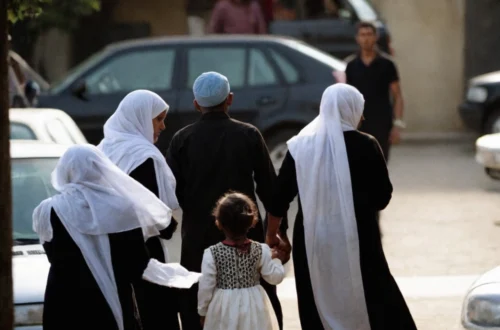
Sunni, Alawite, Christian, Druze, Kurdish, Arab these labels have been used for years to divide, justify, and inflame. But on the ground, suffering has never asked for someone’s faith before arriving. Bombs did not discriminate. Hunger did not check identity cards. Loss came for everyone.
“We stopped asking who is who,” says a man in Hama. “When your neighbor is bleeding, religion doesn’t matter.”
Entire generations have grown up knowing nothing but crisis. Children born during the war are now teenagers. Their memories begin with checkpoints, power cuts, and absence of fathers, of homes, of certainty. Education has been interrupted, futures delayed, normality reduced to a distant idea.
Many Syrians are exhausted not just physically, but morally. Exhausted by hatred that was taught, by fear that was inherited, by a world that watched and moved on.
The war fractured trust. Between communities. Between neighbors. Even within families. And rebuilding that trust may be harder than rebuilding cities.
Yet, in the ruins, there are moments that resist the narrative of division.
A Christian family sharing bread with Muslim neighbors during Ramadan. A Sunni doctor treating anyone who walks into his clinic, no questions asked. Volunteers clearing rubble from homes that do not belong to their own sect.
These moments rarely make headlines. But they are real.
“I lost everything,” says a woman displaced multiple times. “If I start hating too, then the war has won twice.”
What Syria needs now is not another promise of victory, nor another map redrawn by outsiders. It needs space to heal and healing begins with recognizing a simple truth: pain is not exclusive, and humanity is not selective.
The insistence on division has kept the country bleeding. Every side has buried its dead. Every community carries grief. There is no pure victim, no untouched group only people who survived in different ways.
Peace, if it comes, will not be loud. It will arrive slowly, through shared survival, through the courage to see the other not as an enemy, but as someone equally broken.
“We are all tired,” says a young man in Damascus. “Tired of being symbols. We just want to be people.”
Syria’s tragedy is not only what was destroyed, but how easily humanity was overshadowed by identity. And its fragile hope lies in the understanding that rebuilding a country is impossible if its people remain divided by names and beliefs.
In the end, Syria is not a story about sects or geopolitics. It is a story about human beingflawed, wounded, enduring.
And if there is any lesson left to take from its ruins, it is this: faith, ethnicity, and borders may shape our lives, but suffering reminds us that we belong to the same fragile condition.
We are all human. And no country survives by forgetting that.


You May Also Like
Life in Limbo: Refugees Waiting for Europe’s Promise
The Silent Routes: Inside the Migrant Paths of the Balkans