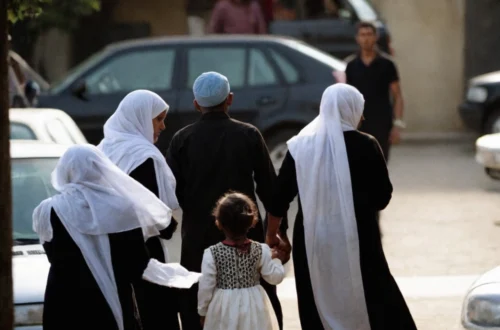
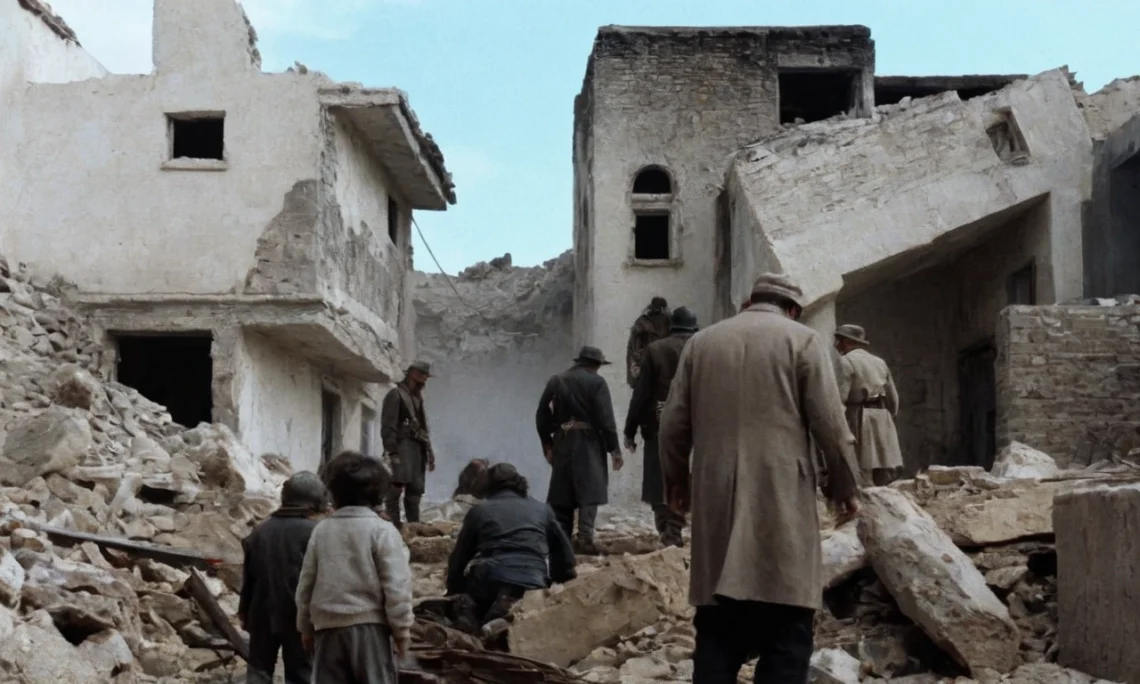
The Kurds of Syria: Living Between Survival and Forgetting
In northern Syria, dawn does not bring relief. It brings counting who is still here, which house is gone, which road is no longer safe. For the Kurds, this has been the rhythm of life for generations: waiting, rebuilding, and bracing for the next loss.
In towns scattered across the northeast, people wake up in places that exist only halfway. Not fully at war, not fully at peace. Homes stand with missing walls. Schools reopen without teachers. Children learn early that safety is temporary.
“We grew up knowing the world could disappear overnight,” says a Kurdish woman from Qamishli. “And somehow, it always does.”
For decades, Kurds in Syria were taught to live quietly. Their language was banned, their identity denied, their names erased from official records. Then the war came, and silence was no longer an option. When the state collapsed, Kurdish communities stepped into the vacuum organizing schools, councils, defense forces. For a brief moment, there was something resembling hope.
They called it autonomy. Others called it a threat.
Today, that fragile experiment is unraveling. Control shifts again. Flags change. Promises are rewritten. Kurdish fighters who once defended their towns now face pressure to disband or submit. Civilians watch power rearrange itself above their heads, knowing they will pay the price regardless of who wins.
The war never really left it just learned how to whisper.
In the evenings, families gather around dim lights, listening for sounds that don’t belong: drones, shelling, unfamiliar engines. Parents tell their children stories not of the future, but of the past villages that no longer exist, traditions practiced in secret, relatives who never made it back.
Grief is inherited here.
Many Kurds have buried the same dream more than once. First under Arabization policies. Then under ISIS. Then under foreign interventions, shifting alliances, and international silence. Each time, the message feels the same: your survival is negotiable.
“We fought everyone’s wars,” says a former fighter. “And when it was over, we were alone again.”
The borders are crowded with ghosts. Families split across countries. Mothers waiting for sons who crossed into Iraq or Turkey and never returned. Cemeteries growing faster than neighborhoods. There is no language for this kind of exhaustion only routine.
And yet, people endure.
They plant trees in soil that may not be theirs tomorrow. They teach Kurdish songs to children who may have to forget them to survive. They rebuild houses knowing they might be rubble again by winter.
Hope here is not loud. It is careful. Almost ashamed.
What hurts most is not the bombs or the politics, but the sense of being seen only when useful. Allies arrive, then leave. Statements are issued, then archived. The Kurds remain counting losses, adjusting expectations, lowering their voices once again.
“We don’t ask for much,” says an elderly man in a village near the border. “Just not to be erased.”
But erasure in Syria is rarely dramatic. It happens slowly through displacement, fear, and fatigue. Through children growing up speaking other languages. Through lives spent surviving instead of living.
For the Kurds of Syria, the tragedy is not only what has been destroyed, but what has been postponed indefinitely: the right to exist without apology.
They are still there. Still waiting. Still holding on to an identity the world keeps asking them to set aside.
And in a country built on ruins, that quiet persistence may be the most dangerous thing of all.

You May Also Like
Life in Limbo: Refugees Waiting for Europe’s Promise
Syria: When Survival Becomes a Common Language