The Silent Routes: Inside the Migrant Paths of the Balkans
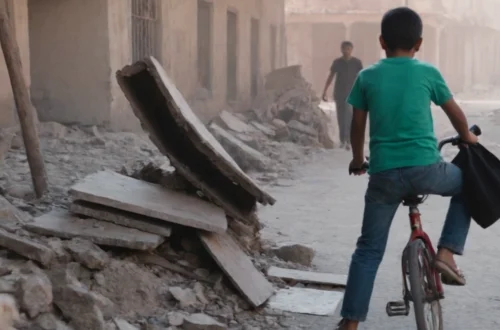
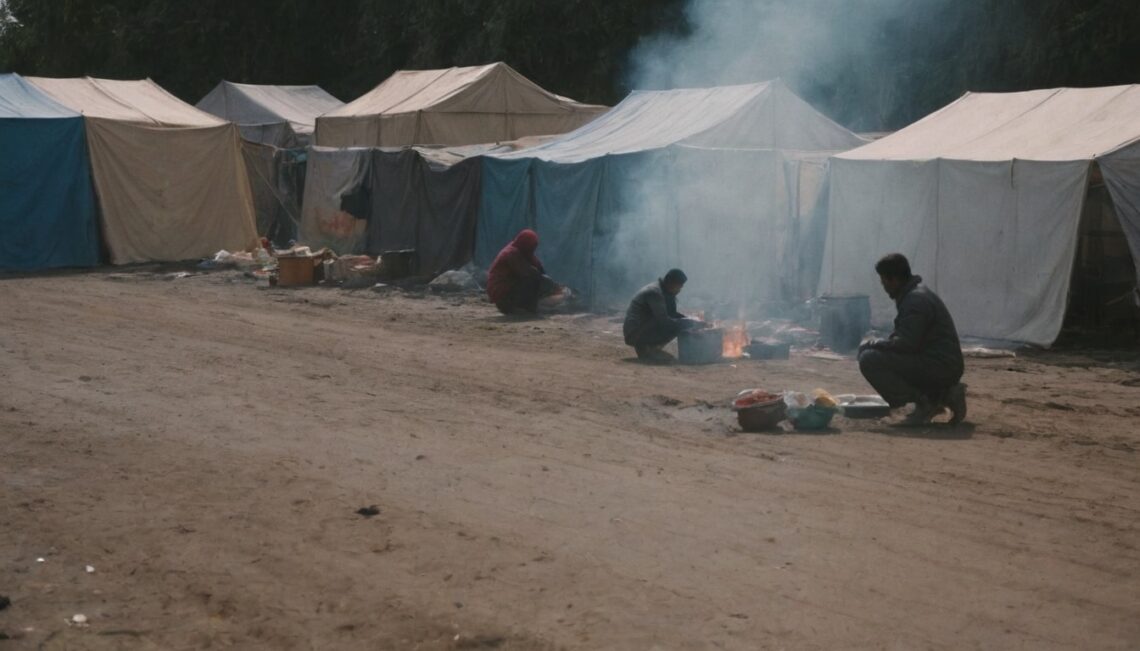
Along the narrow roads of the Balkans, far from tourist trails and city centers, there are quieter paths the kind that don’t appear on any official map. These are the silent routes, walked by people carrying all their belongings in a backpack. Men, women and children move through forests, abandoned train lines and river crossings, trying to reach a better place, where safety feels possible and, maybe, feel like home.
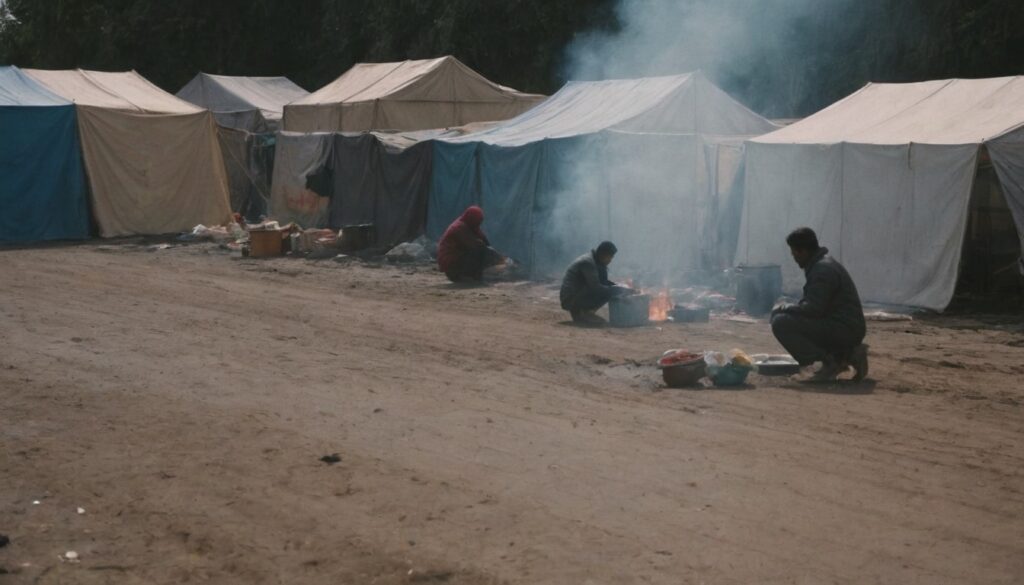
Every few kilometers, you may find traces of their journey: a lost shoe, a torn blanket, a note written in Arabic or Dari and tucked under a rock. For many, this passage through the Balkans is just one chapter in a much longer odyssey from Syria, Afghanistan or Iraq across borders that most of the times do not welcome them.
Local villagers very rarely offer food or water, most of them turn away, fearful or fatigued by years of migration stories. Police patrols, fences and cold winters add to the difficulty. Still, every day, new footsteps mark the soil.
These routes are not just geographic they are human stories in motion. Each traveler carries memories of home and the silent hope that one day, they will no longer have to run. One day…
At dawn, the forest near Bihać, Bosnia, comes alive with movement not only by animals, but also of people. Quiet figures slip between the trees, carrying nothing but small backpacks, bottles of water, rarely some food and the hope of crossing another invisible line. These are the silent routes of the Balkans the pathways that thousands of migrants and refugees have walked for nearly a decade, searching for a safe place to live.
“They walk at night,” says a farmer in northern Bosnia. “Sometimes they knock on my door asking for water. I help when I can but I’m afraid too.”
According to NGOs working in the region, pushbacks the illegal forced returns of migrants across borders remain common. Many people describe being beaten by border police, their phones destroyed, their belongings taken. Yet despite the risks, the flow continues. “There’s no other choice,” says Ahmad, a 27-year-old from Aleppo. “When you’ve lost everything once, you stop fearing fences.”
“There’s no other choice,” says Ahmad, a 27-year-old from Aleppo. “When you’ve lost everything once, you stop fearing fences.”
The Balkan route shifts constantly from Greece to North Macedonia, Serbia, Bosnia, and into Croatia or Hungary adapting to new policies and new barriers. Aid workers call it a “living map,” one drawn and redrawn by desperation and endurance.
For those walking it, the route is more than geography it is a test of faith and will. Each step north is a small act of resistance, a way to reclaim control over a life uprooted by war and politics.
These roads may be unmarked, but they are mapped in memory paths carved by courage, carrying the quiet footsteps of those still searching for home.

You May Also Like
The Kurds of Syria: Living Between Survival and Forgetting
Living After the War: Arab Immigrants Rebuilding Life in Europe